


Why Choose Hyundai Electric Cars Over Traditional Models?
Why Choose Hyundai Electric Cars Over Traditional Models: Comprehensive Guide to Hyundai Electric Car Models and Benefits
As the automotive industry shifts towards sustainability, electric vehicles (EVs) have emerged as a compelling alternative to traditional gasoline-powered cars. This article delves into the reasons why Hyundai electric cars stand out in this evolving landscape, highlighting their innovative features, environmental benefits, and cost-effectiveness. Readers will gain insights into the latest Hyundai electric models, their specifications, and the advantages they offer over conventional vehicles. With the growing concern over climate change and rising fuel prices, many consumers are seeking greener options. This guide will explore key Hyundai electric models, their benefits, financing options, and maintenance advantages, providing a comprehensive overview for potential buyers.
What Are the Key Hyundai Electric Car Models Available Today?
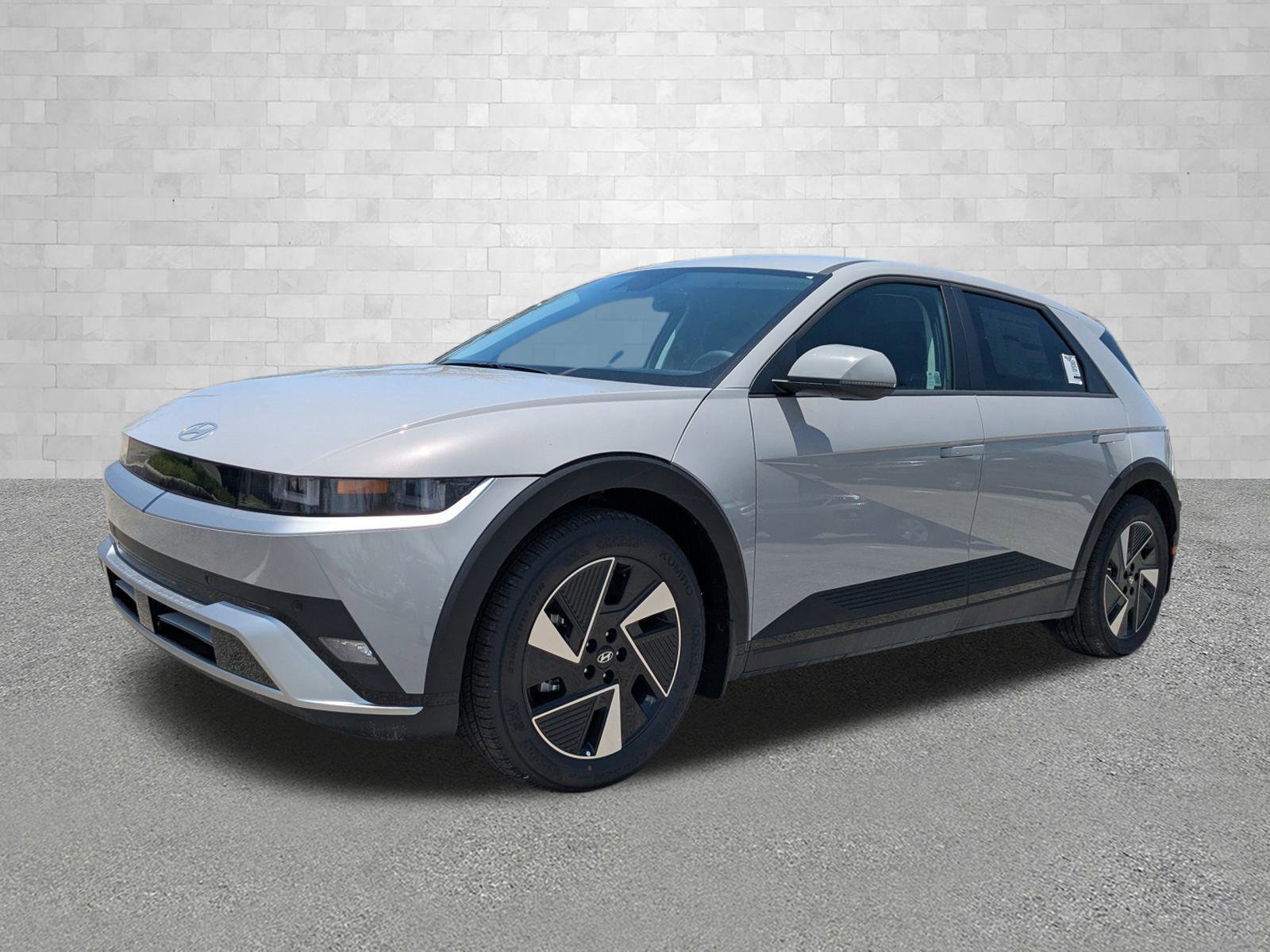
Hyundai has made significant strides in the electric vehicle market, offering a range of models that cater to diverse consumer needs. The key models available today include the Hyundai Kona Electric and the Hyundai Ioniq 5, both of which showcase advanced technology and impressive performance metrics.
What Features Define the Hyundai Kona Electric and Ioniq 5 Models?
The Hyundai Kona Electric is equipped with a robust battery capacity that allows for an impressive range per charge, making it ideal for both city driving and longer journeys. It features cutting-edge technology, including a user-friendly infotainment system and advanced safety features. On the other hand, the Hyundai Ioniq 5 stands out with its sleek design and efficient energy consumption, providing a smooth driving experience while minimizing environmental impact. Both models exemplify Hyundai's commitment to innovation and sustainability.
How Do Hyundai Electric Car Specifications Compare Across Models?
When comparing specifications across Hyundai's electric models, several key performance metrics emerge. The Kona Electric offers a battery capacity of 64 kWh, enabling a range of approximately 258 miles on a single charge. In contrast, the Ioniq 5 features a battery capacity of up to 77.4 kWh, with a range of about 303 miles. Both models boast rapid charging capabilities, with the Kona Electric capable of charging to 80% in just 54 minutes using a fast charger. Safety ratings for both vehicles are high, reflecting Hyundai's dedication to providing secure and reliable transportation.
What Are the Benefits of Choosing Hyundai Electric Vehicles Over Gasoline Cars?
Choosing Hyundai electric vehicles (EVs) over traditional gasoline cars presents numerous advantages, particularly in terms of cost savings, environmental impact, and performance.
How Do Hyundai EVs Offer Cost Savings and Environmental Advantages?
Hyundai EVs provide significant cost savings through lower operating expenses. Electric vehicles typically have lower fuel costs compared to gasoline, with electricity prices being more stable and often cheaper than fuel prices. Additionally, many regions offer government incentives for EV purchases, further reducing the overall cost. Environmentally, Hyundai electric cars produce zero tailpipe emissions, contributing to cleaner air and a reduction in greenhouse gases. This shift not only benefits individual consumers but also supports broader efforts to combat climate change.
What Performance Benefits Do Hyundai Electric Cars Provide Compared to Traditional Models?
Hyundai electric cars deliver exceptional performance benefits, including instant torque and smooth acceleration, which enhance the driving experience. Unlike traditional gasoline vehicles, electric motors provide power immediately, resulting in quicker starts and a more responsive feel on the road. Furthermore, the lower center of gravity in electric vehicles improves handling and stability, making Hyundai EVs not only efficient but also enjoyable to drive.
What Financing Options and Incentives Are Available for Hyundai Electric Vehicles?
Financing options for Hyundai electric vehicles are designed to make ownership accessible and affordable. Various programs exist to support potential buyers in their transition to electric mobility.
Which Hyundai Electric Vehicle Incentives Can Buyers Access Locally and Nationally?
Buyers of Hyundai electric vehicles can access a range of incentives, both locally and nationally. Federal tax credits for electric vehicle purchases can significantly reduce the upfront cost, while many states offer additional rebates and incentives. Local dealerships, such as Tamiami Hyundai, may also provide special financing options and promotional offers to encourage the adoption of electric vehicles.
These incentives are part of broader efforts to support domestic EV manufacturers like Hyundai and Kia, making electric vehicle ownership more accessible.
How Does Hyundai EV Financing Support Affordable Ownership?
Hyundai's financing options are tailored to support affordable ownership of electric vehicles. Flexible loan terms and competitive interest rates make it easier for buyers to manage their payments. Additionally, Hyundai offers leasing options that allow consumers to drive a new electric vehicle without the long-term commitment of ownership, making it an attractive choice for those who prefer to switch vehicles frequently.
How Does Charging Hyundai Electric Vehicles Work and What Are the Charging Times?
Charging Hyundai electric vehicles is a straightforward process, with multiple options available to suit different lifestyles and needs.
What Are the Different Hyundai EV Charging Options and Infrastructure?
Hyundai electric vehicles can be charged at home using a standard outlet or a dedicated home charging station, which provides faster charging times. Public charging infrastructure is also expanding, with numerous fast-charging stations available across the country. These stations can charge a Hyundai EV to 80% in under an hour, making long-distance travel more feasible.
How Long Does It Take to Charge Hyundai Electric Cars Fully?
Charging times for Hyundai electric cars vary based on the charging method used. A standard home outlet may take up to 24 hours for a full charge, while a Level 2 home charger can reduce this time to approximately 4-6 hours. Fast chargers, commonly found at public charging stations, can fully charge the vehicle in about 54 minutes, allowing for quick stops during longer trips.
Further research highlights the impressive fast-charging capabilities across Hyundai's EV lineup, including newer models like the Ioniq 6.
What Are the Maintenance and Service Advantages of Hyundai Electric Cars?
Hyundai electric vehicles offer distinct maintenance and service advantages compared to traditional gasoline cars, making them a practical choice for many consumers.
How Does Hyundai EV Maintenance Differ from Traditional Gasoline Vehicle Service?
The maintenance requirements for Hyundai electric vehicles are generally lower than those for gasoline vehicles. EVs have fewer moving parts, which reduces the likelihood of mechanical issues. Routine maintenance typically includes checking the battery, tires, and brakes, with no need for oil changes or exhaust system repairs. This simplicity translates to lower overall maintenance costs and less frequent service visits.
Indeed, ongoing research into the durability and complex component systems of Hyundai electric vehicles further supports their long-term reliability and reduced maintenance needs.
What Specialized Service Does Tamiami Hyundai Provide for Hyundai Electric Vehicles?
Tamiami Hyundai specializes in servicing Hyundai electric vehicles, ensuring that customers receive expert care tailored to their specific needs. The dealership's technicians are trained in the latest electric vehicle technology, providing high-quality service and maintenance. This specialized knowledge helps ensure that Hyundai EV owners can enjoy their vehicles with confidence, knowing they are receiving the best possible care.
How Do Hyundai Electric Cars Compare to Traditional Gasoline Vehicles?
When comparing Hyundai electric cars to traditional gasoline vehicles, several key differences emerge that highlight the advantages of electric mobility.
What Are the Differences in Range, Performance, and Emissions Between Hyundai EVs and Gasoline Cars?
Hyundai electric vehicles typically offer a longer range per charge compared to the distance a gasoline vehicle can travel on a full tank. For instance, the Kona Electric can travel up to 258 miles, while gasoline vehicles often require more frequent refueling. In terms of performance, electric cars provide instant torque, resulting in quicker acceleration and a more responsive driving experience. Additionally, electric vehicles produce zero tailpipe emissions, significantly reducing their environmental impact compared to gasoline cars.
Why Are Hyundai Electric Vehicles a Better Choice for Future Mobility?
Hyundai electric vehicles represent a forward-thinking choice for future mobility, aligning with global trends towards sustainability and innovation. As technology advances, electric vehicles are becoming increasingly efficient, with improvements in battery technology leading to longer ranges and faster charging times. The shift towards electric mobility is not just a trend; it is a necessary evolution in the automotive industry that supports environmental goals and enhances the driving experience.
What Are Common Questions About Hyundai Electric Cars Answered?
As interest in electric vehicles grows, many potential buyers have questions about their benefits and functionality.
What Are the Advantages of Hyundai Electric Cars?
Hyundai electric cars offer several advantages, including lower operating costs, environmental benefits, and advanced technology features. The cost savings associated with electricity versus gasoline, combined with government incentives, make EV ownership more accessible. Additionally, the innovative technology found in Hyundai electric vehicles enhances safety and driving enjoyment.
How Does Hyundai EV Range Compare to Gasoline Cars?
The range of Hyundai electric vehicles often surpasses that of traditional gasoline cars, with models like the Kona Electric providing up to 258 miles on a single charge. This range is comparable to the distance many gasoline vehicles can travel on a full tank, making electric vehicles a practical choice for daily commuting and long-distance travel.
Where Can You Find Hyundai Electric Vehicles and Services at Tamiami Hyundai?
For those interested in exploring Hyundai electric vehicles, Tamiami Hyundai offers a comprehensive selection and expert services.
How to Access Hyundai Electric Vehicle Inventory and Purchase Options?
Customers can access Hyundai electric vehicle inventory through Tamiami Hyundai's website or by visiting the dealership in person. The dealership provides detailed information on available models, features, and pricing, making it easy for potential buyers to find the right vehicle for their needs.
How to Schedule Hyundai EV Service and Maintenance Appointments?
Scheduling service and maintenance appointments for Hyundai electric vehicles at Tamiami Hyundai is simple. Customers can book appointments online or by contacting the dealership directly. The knowledgeable staff is ready to assist with any questions and ensure that EV owners receive the specialized care their vehicles require.
Our Local Showroom
FL 34109 , USA